 KOCENT OPTEC
The Industrial & Data Center Shift in Lima's Telecom Hubs
The digital economy of Peru is undergoing massive structural shifts, and the metropolitan region of Lima—encompassing major business zones like San Isidro, Miraflores, and the rapidly growing subsea-cable landing hub of Lurín—is at the epicenter of this transformation. Lurín, in particular, has emerged as Peru's cloud and datacenter corridor, with regional telecom giants (such as Claro, Entel, and Telefónica/Movistar) alongside global hyperscalers constructing multi-megawatt Tier III and Tier IV facilities.
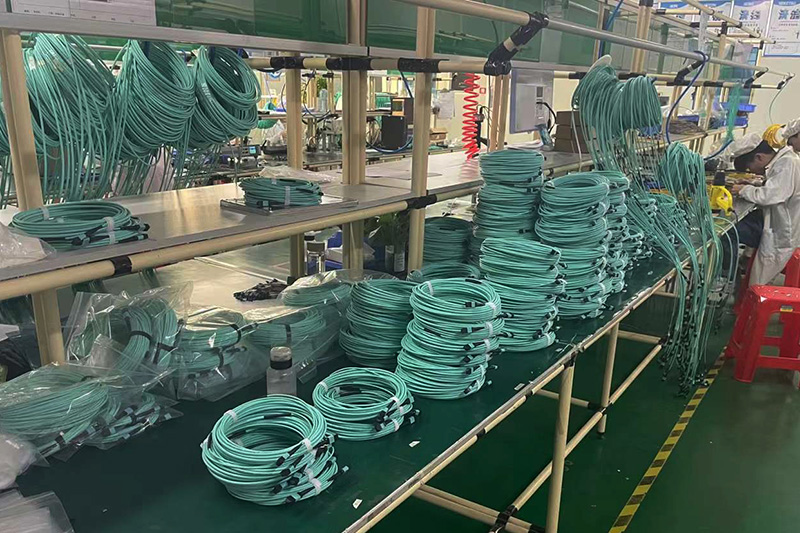
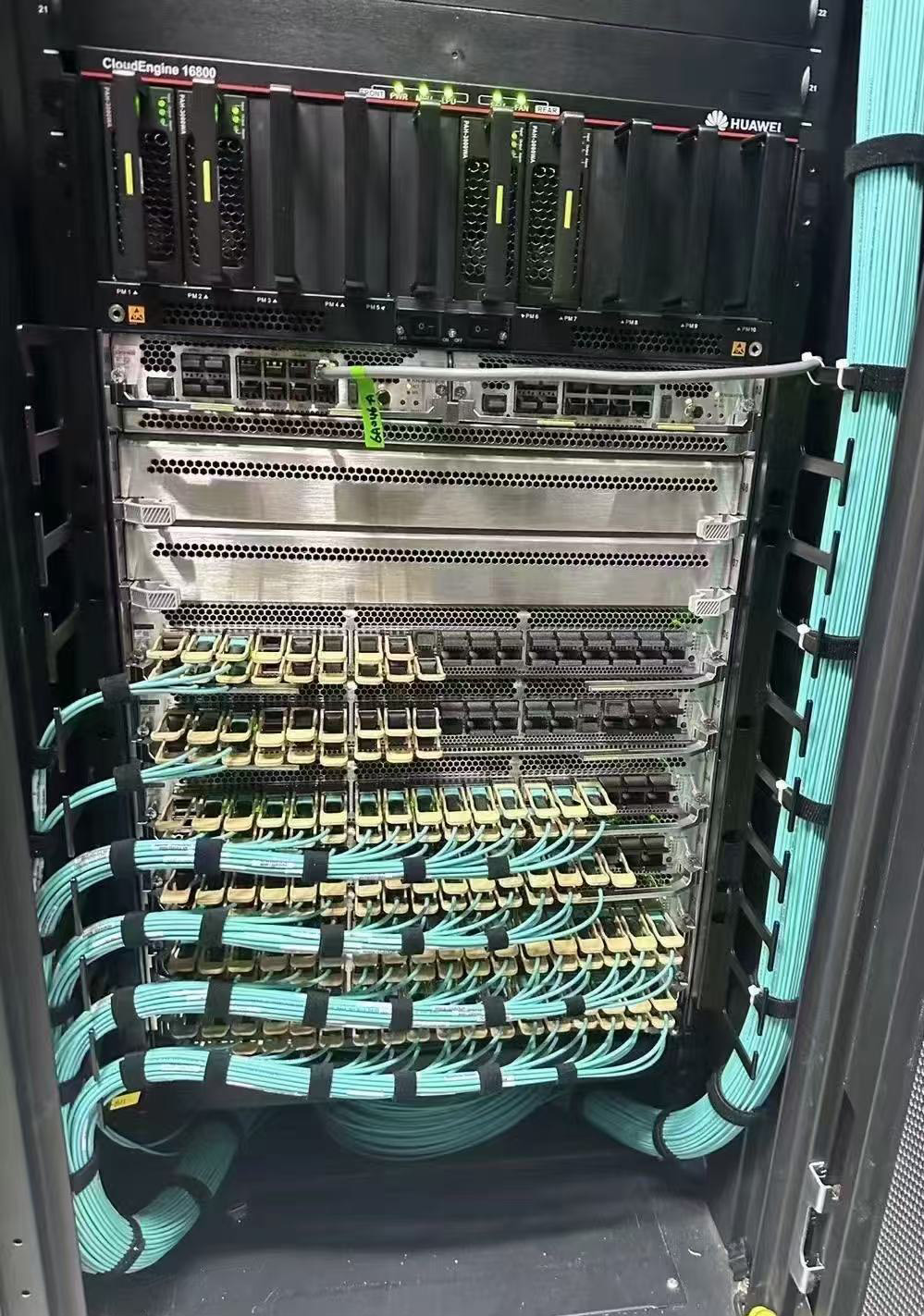
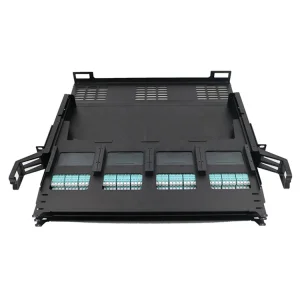
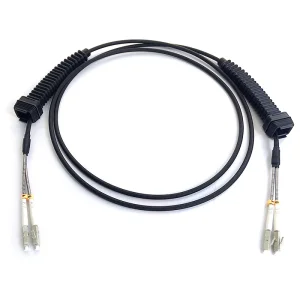
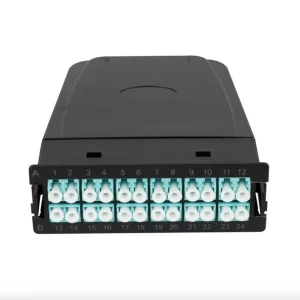
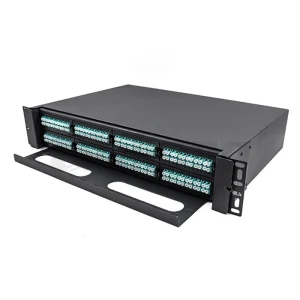
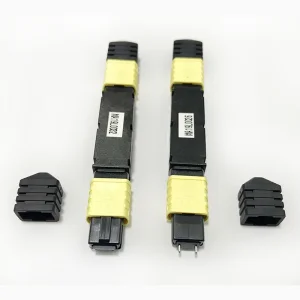
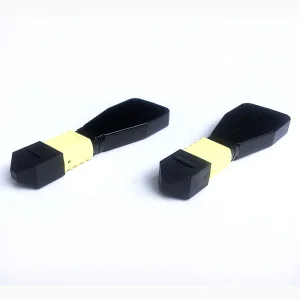
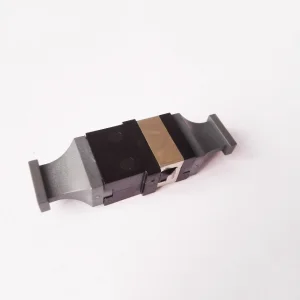
These infrastructure expansions require an upgrade from legacy low-density optical configurations to high-density MTP/MPO architecture. Standard LC simplex or duplex fiber connectors face immense physical limits within space-constrained patch rooms. Switching to 12-core, 24-core, and 144-core MTP/MPO connections allows operators in Lima to cut cabling footprint by up to 75% while laying the hardware foundation for 100G, 400G, and future 800G pathways using OM4, OM5, and Single-Mode OS2 fibers.
Technical Deep-Dive: Understanding MTP/MPO System Architecture
When purchasing MTP/MPO systems for installations in Peru, optical design engineers must look beyond basic pricing. E-E-A-T principles demand that we define critical performance parameters to prevent packet drops and optical back-reflections in high-speed links:
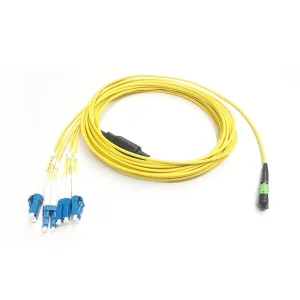
- MTP vs. MPO: MPO (Multi-Fiber Push On) is the generic industry standard connector. MTP is a trademarked, premium version from US Conec. The key advantage of MTP is its mechanical design, featuring a floating ferrule to maintain contact under load, and elliptical guide pins to reduce guide-hole wear and alignment drift.
- Elite/Low Loss vs. Standard: Standard MPO insertion loss is typically ≤0.70 dB. Kocent Optec's Elite low-loss MTP/MPO assemblies achieve ≤0.35 dB. Within a complex data center network with multiple cross-connect patches, low insertion loss is critical to staying within the tight optical budget of transceiver links.
- Polarity Methods (A, B, C): Correct polarity mapping is essential to ensure transmitter fibers align with receiver interfaces. Method A uses straight-through mapping, Method B uses flipped mating (critical for parallel optics in 40G/100G networks), and Method C features pair-flipped fiber pathways.

Factory-Direct China Supply Chain Advantage
By leveraging Kocent Optec Limited's production facility established in 2012, South American enterprises and procurement managers can bridge the gap between high performance and cost efficiency. Our Hong Kong-based management and mainland China manufacturing operation deliver direct wholesale pricing, bypassing local reseller markup in Peru.
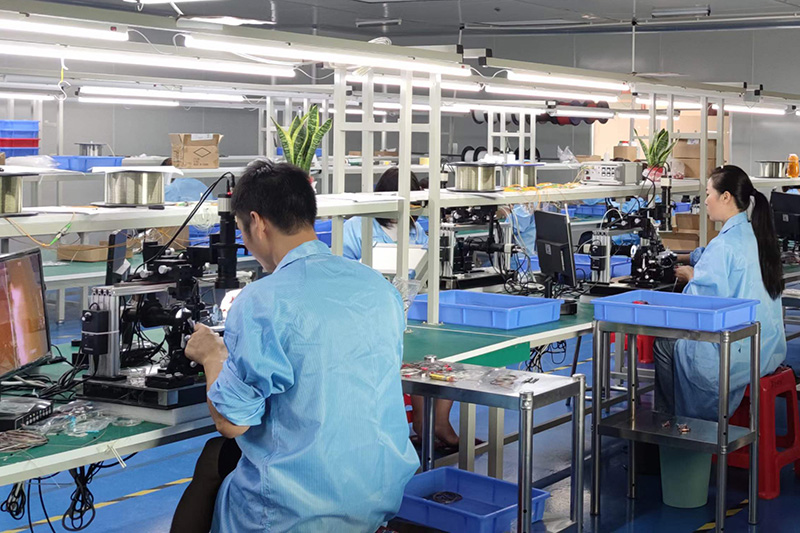
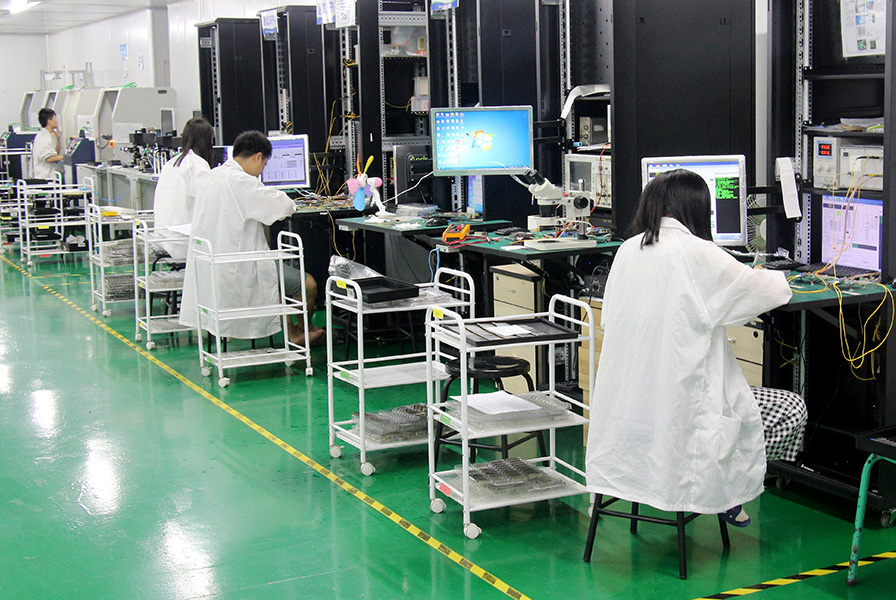
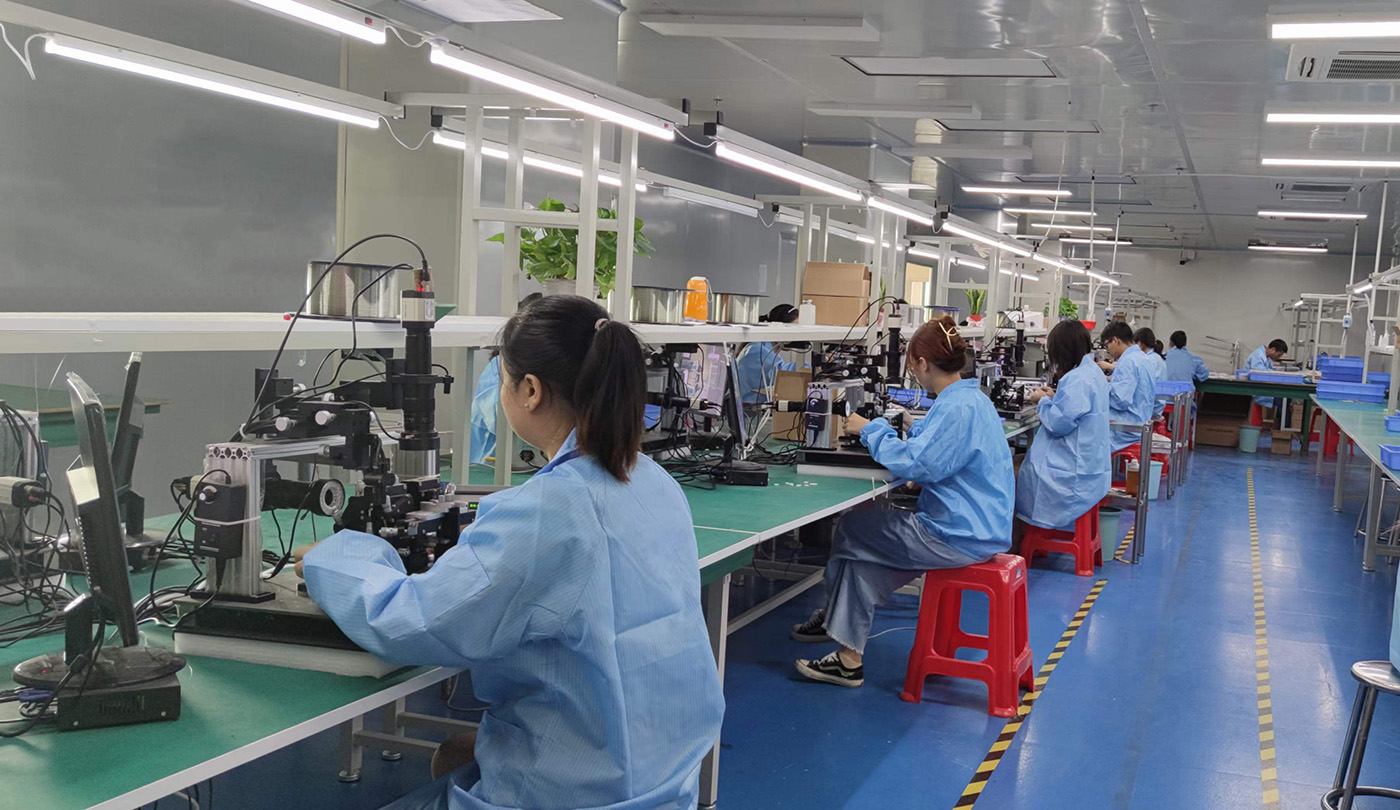
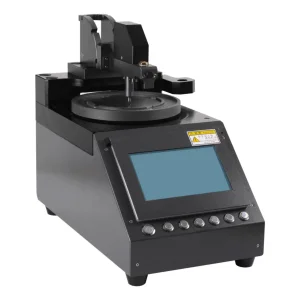
Every single optical patch cord, trunk cable, and patch panel is subjected to rigorous quality control protocols. Our factory relies on advanced 3D interferometer testing to verify key physical connector geometries—including fiber height, radius of curvature, and apex offset. With direct shipping from our production center to Jorge Chávez International Airport in Lima or the Port of Callao, we provide reliable, project-aligned lead times.

Local Compliance and Regulatory Standards for Peru Networks
Infrastructure projects in Lima must comply with rigid fire safety and environmental rules. Our fiber systems are built with Low Smoke Zero Halogen (LSZH) or Plenum (OFNP) jackets to meet the fire hazard requirements of high-density metropolitan server rooms. Furthermore, all components conform to international standard classifications:
- ITU-T G.652.D & G.657.A1/A2: Single-mode fiber variants featuring superior macro-bend resistance, crucial for tight cable pathways in urban installations.
- IEC 61754-7 & TIA-604-5: Standard interface specifications for multi-fiber push-on intermateability.
- RoHS & CE Certification: Guaranteeing full environmental and safety compliance, necessary for public tenders and major corporate operations throughout Peru.
Highlight: Low-Loss MTP Cabling Benefits
"Utilizing Elite MTP trunk networks reduces deployment time by 80% compared to traditional on-site splicing. For Lima's financial offices and telecommunication nodes in San Isidro, this minimal footprint approach ensures fast service delivery with zero network disruption."