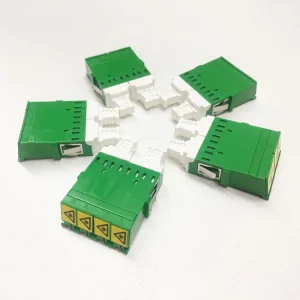
In the era of hyper-scale cloud computing, artificial intelligence workloads, and dense 5G network expansion, physical layer fiber management has evolved from simple hardware shelving to a mission-critical infrastructure dimension. Modern enterprise networks require highly scalable, modular, and performance-optimized Fiber Distribution Units (FDU) that minimize optical insertion loss, protect critical bend radii, and facilitate rapid configurations.
As a leading communication enterprise established in 2012 in Hong Kong, Kocent Optec Limited has established itself as one of China's top fiber optic termination product manufacturers and solution providers. By leveraging over 13 years of production expertise, we deliver active and passive fiber optic connection interfaces that maintain signal integrity and system availability under strict operational parameters.
This deep-dive architectural analysis details the technological advancements in ODM Fiber Distribution Units, global supply chain dynamics, quality metrics, and localization protocols required to support high-speed transceivers, FTTA networks, and carrier-grade optical distribution systems.

Understanding the procurement specifications and operational goals of top-tier carriers and hyper-scale operators.
Global procurement teams prioritize footprint optimization. Floor space in metro-edge data centers commands a premium. High-density FDUs supporting modular slide-out drawers, ultra-dense LC adapters, and MTP/MPO ribbon cassette transitions allow maximum fiber termination within minimum Rack Unit (RU) footprints, optimizing Capex and Opex efficiency.
Enterprise buyers mandate structured systems adhering to Telecordia GR-449-CORE standards. Optical patch cables must maintain a minimum bend radius of 30mm to prevent signal degradation. Premium ODM configurations integrate radius-limiting routing paths, slide-out trays for maintenance access, and strain-relief components to secure network reliability.
Modern network architectures shift away from manual field termination towards factory-terminated MTP/MPO cassettes. Standardized plug-and-play modules decrease onsite installer hours, eliminate contamination risks, and guarantee consistent insertion loss performance profiles across data center builds.

Modern telecommunication demands tailored physical layer solutions. Standard off-the-shelf equipment rarely meets specific rack configurations, cable entry limitations, or thermal demands. Kocent Optec Limited solves this bottleneck with an adaptive, consultative design approach.
By pairing advanced mechanical prototyping with precise optical component testing, we manufacture tailormade ODFs, patch panels, outdoor terminal cabinets, and splice closures that integrate into existing system footprints.
Our OEM/ODM services allow clients to leverage our design expertise in active optics (SFP, SFP+, QSFP transceivers) and passive components (PLC splitters, MTP trunk cables, CPRI tactical lines) to build a unified physical layer. This integration guarantees impedance matching, minimizes return losses, and reduces compatibility complications.
100% Quality Inspected Manufacturing Environment Dedicated to High-Yield Optical Components.
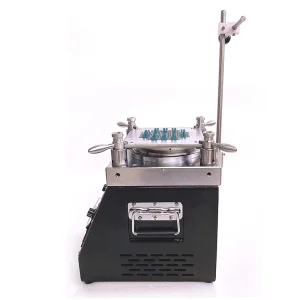
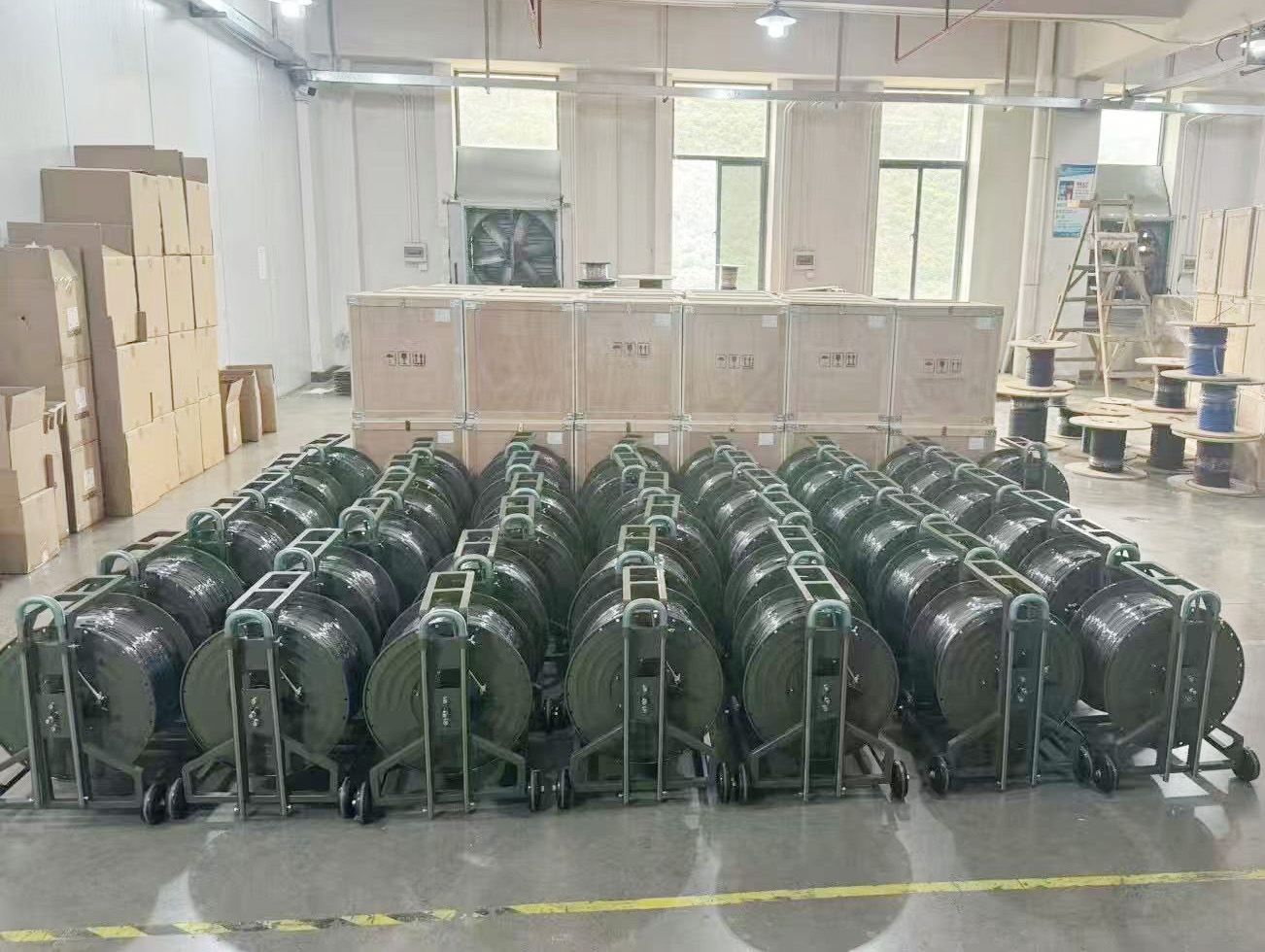
Our factory processes align with strict fiber optic industry metrics. Using mature scientific validation methodologies, Kocent Optec Limited coordinates cleanroom assemblies, high-precision polishing stations, and automated optical measurement rigs.
This industrial capability ensures we meet strict tolerance levels for return losses (exceeding 60dB for APC connections) and insertion losses (averaging less than 0.15dB per junction). Our facilities run separate, specialized assembly environments for diverse optical products, including high-speed active transceivers, passive PLC splitters, and rugged mechanical distribution chassis.
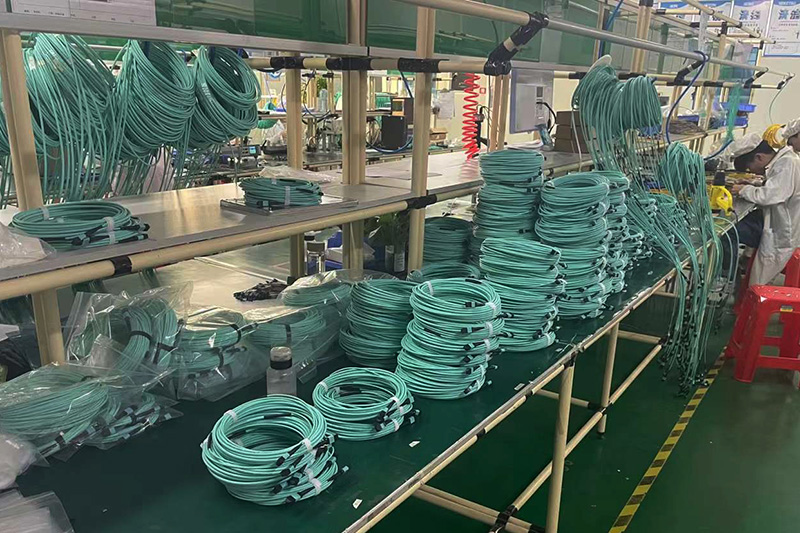
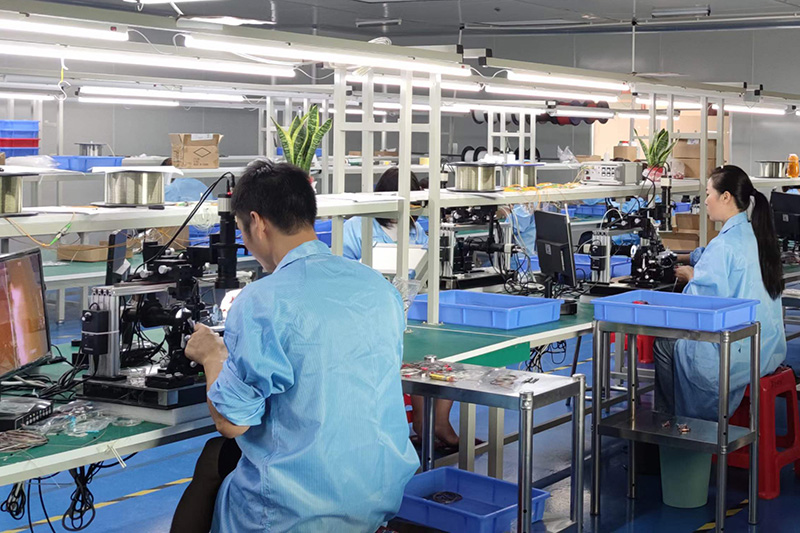
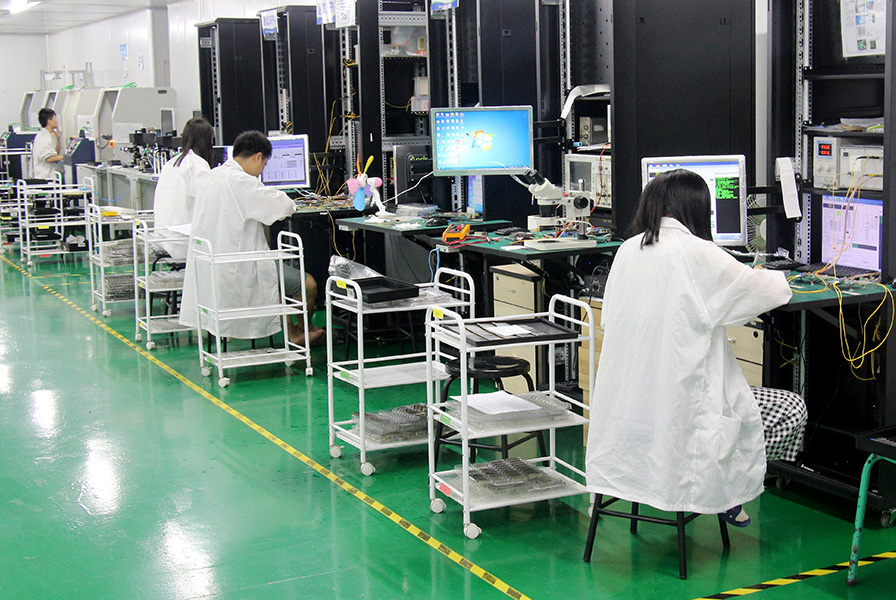
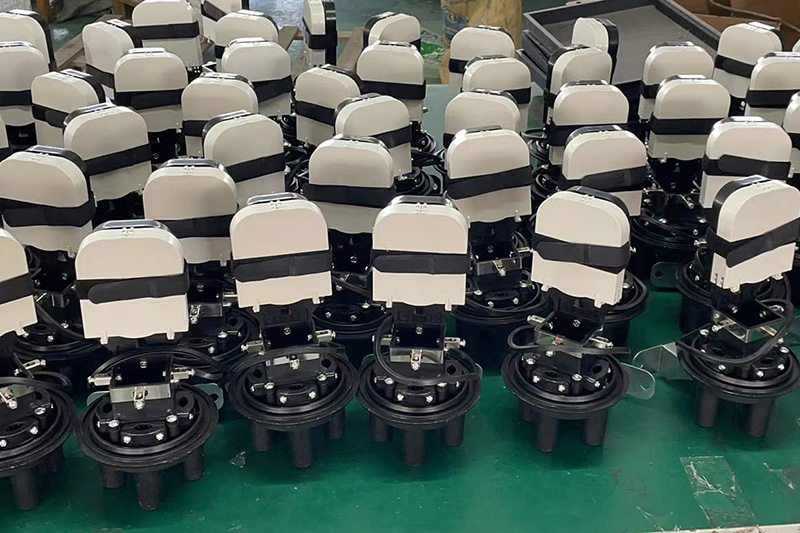
Providing high-precision modification across active and passive product tiers.
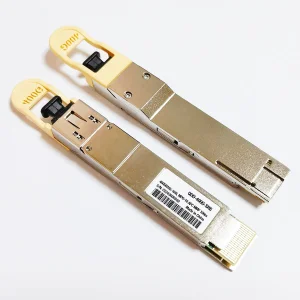
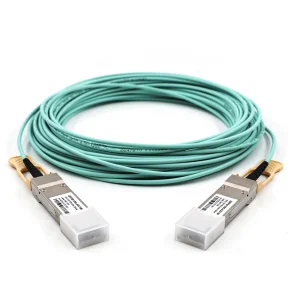
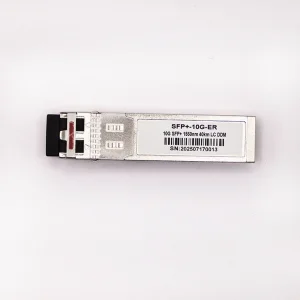
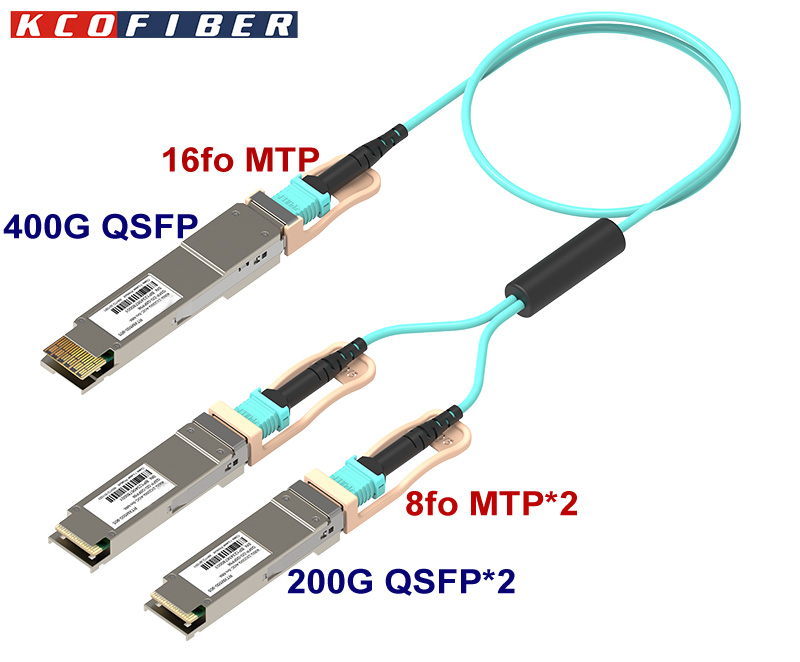
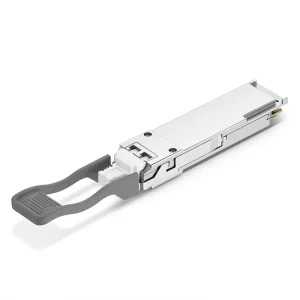
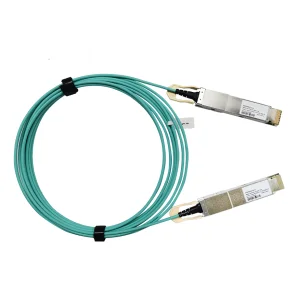
KCO Fiber customizes SFP, SFP+, QSFP, QSFP-DD, AOC, and DAC assemblies to match firmware parameters of switches like Cisco, Huawei, ZTE, H3C, Juniper, HP, TP-link, D-Link, Dell, Netgear, Ruijie, and more. Modification scopes include optical designs, PCB layouts, electrical engineering, custom labeling, and EEPROM compatibility coding.
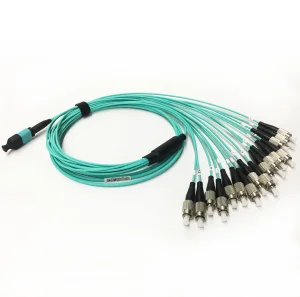
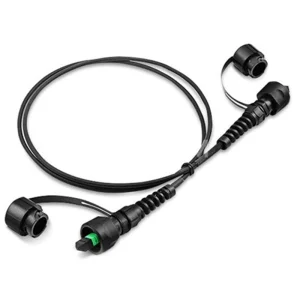
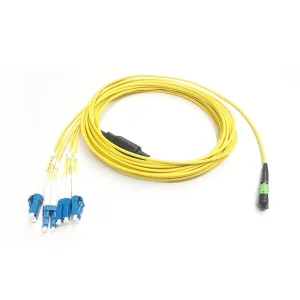
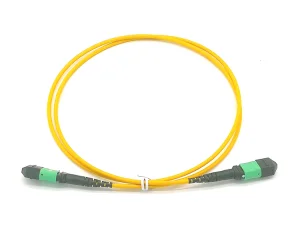
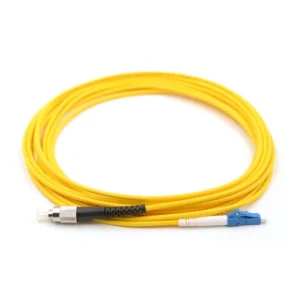
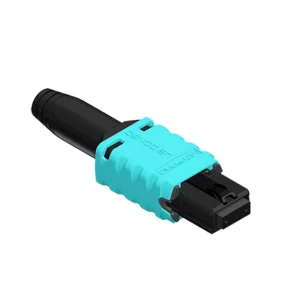
We build tailored Tactical CPRI Patch Cords, MTP/MPO Ribbon assemblies, and multi-core breakout lines. Customers specify fiber mode (G.652D, G.657A1/A2, OM3, OM4, OM5), outer jackets (LSZH, Plenum, Riser, TPU, IP67 Armored), length, connector combination (LC, SC, FC, ST, MTP-16), and customizable coding schemes.
We translate customer technical drawings into physical products. KCO Fiber delivers ODM fiber distribution boxes, splice closures, high-density patch panels, and outdoor distribution cabinets. Custom variables include sheet metal thickness (SPCC cold-rolled steel or aluminum), powder coat finishes, custom adapter orientations, and integrated splice trays.
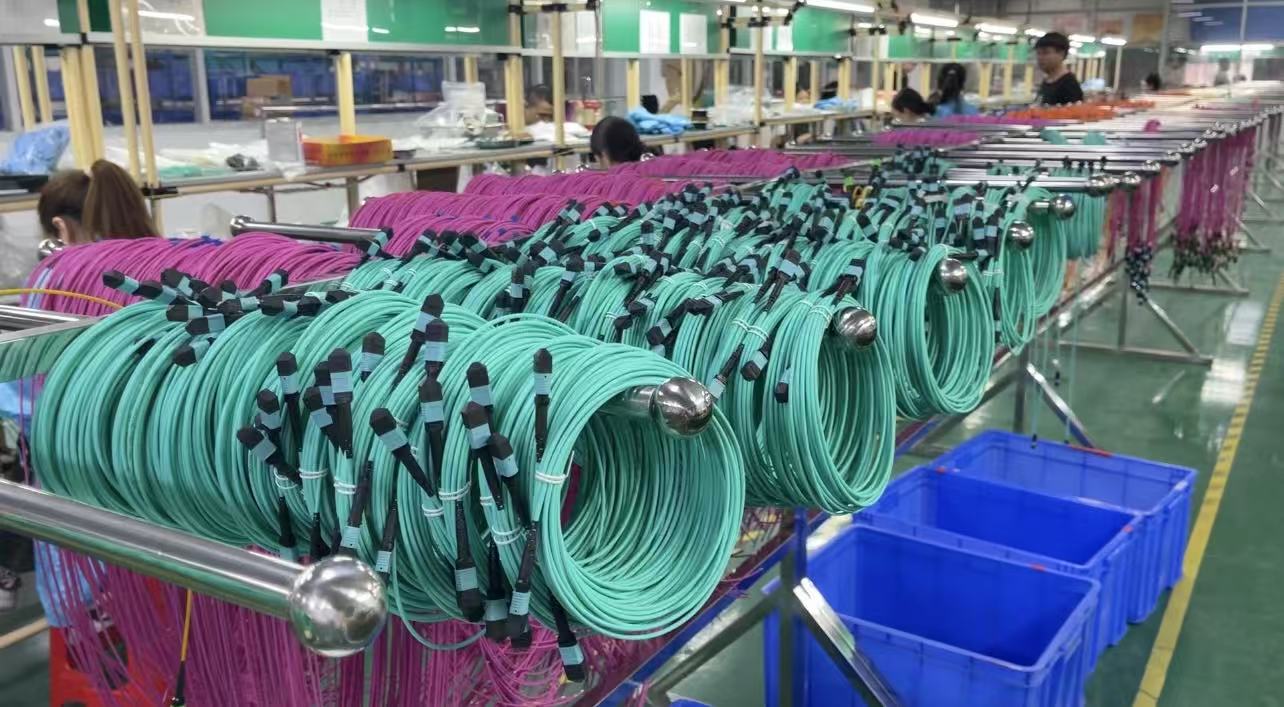
As transmission data rates advance from 100G and 400G to 800G and 1.6T, physical optical infrastructures face new operational demands. Singlemode fibers, parallel optics via 16-channel MPO arrays, and Co-Packaged Optics (CPO) architectures shift structural limits. Fiber Distribution Units must adapt to higher optical link budget constraints, requiring lower insertion loss tolerances.
KCO Fiber's R&D focus highlights three main areas:
Integration of 288 fibers per 1RU space. Slide-out modular drawers with bend-radius protection paths.
Standardization of MPO-16, MPO-24, and VSFF (Very Small Form Factor) adapters like SN and MDC.
Integrating fiber routing with direct optoelectronic interfaces, minimizing loss in local edge applications.
Meeting international criteria to ensure high performance and environmental safety in critical deployments.
Ensures single-mode optical connector assemblies meet physical, mechanical, and environmental endurance requirements.
Guarantees materials are free of hazardous substances, ensuring environmental safety and recycling compliance.
Specifies connector dimensions and mating tolerances for consistent compatibility across global platforms.
Utilizes flame-retardant plastics for chassis components to prevent fire propagation in high-power environments.
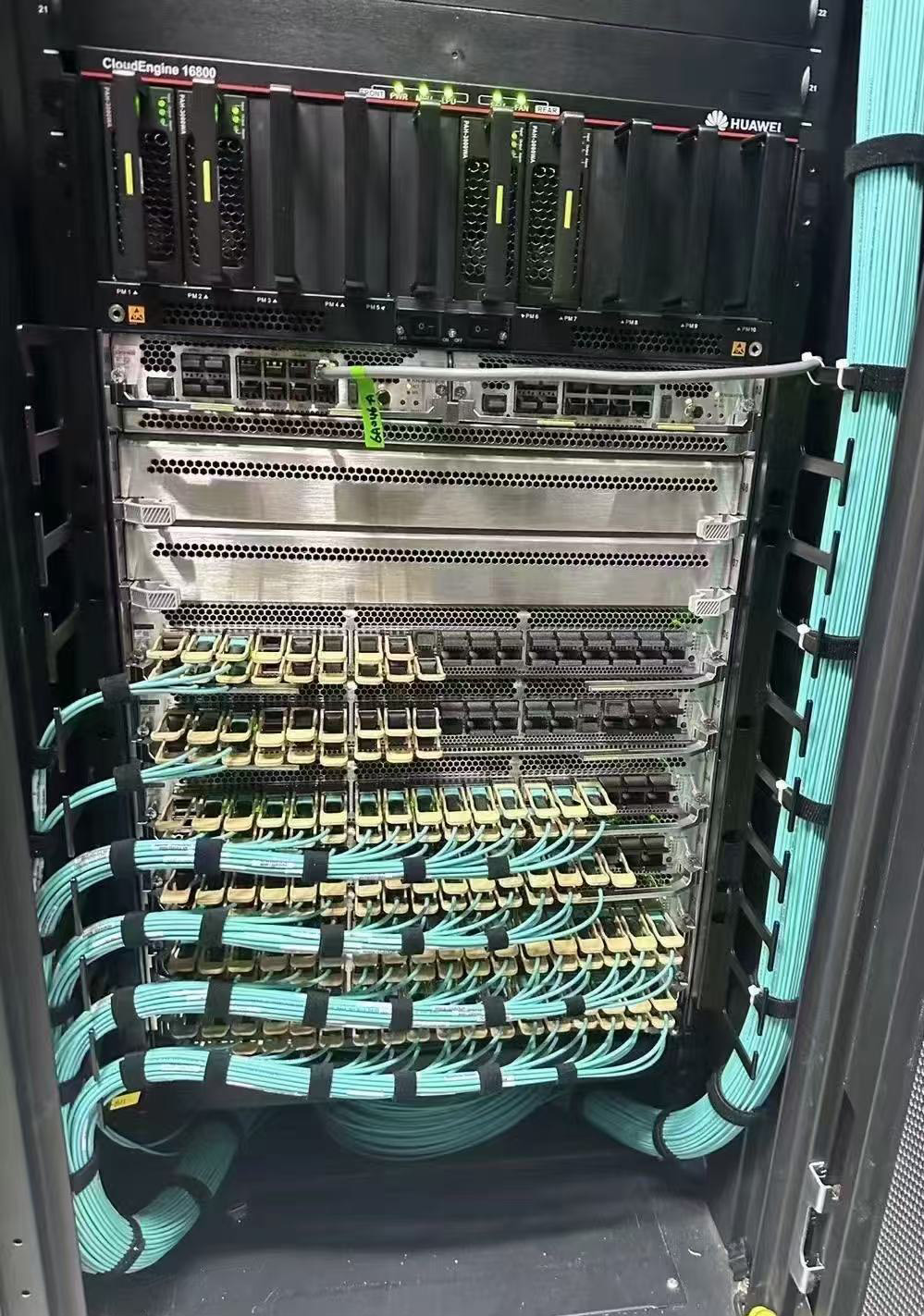


Key technical and procurement questions answered by KCO Fiber experts.
 KOCENT OPTEC